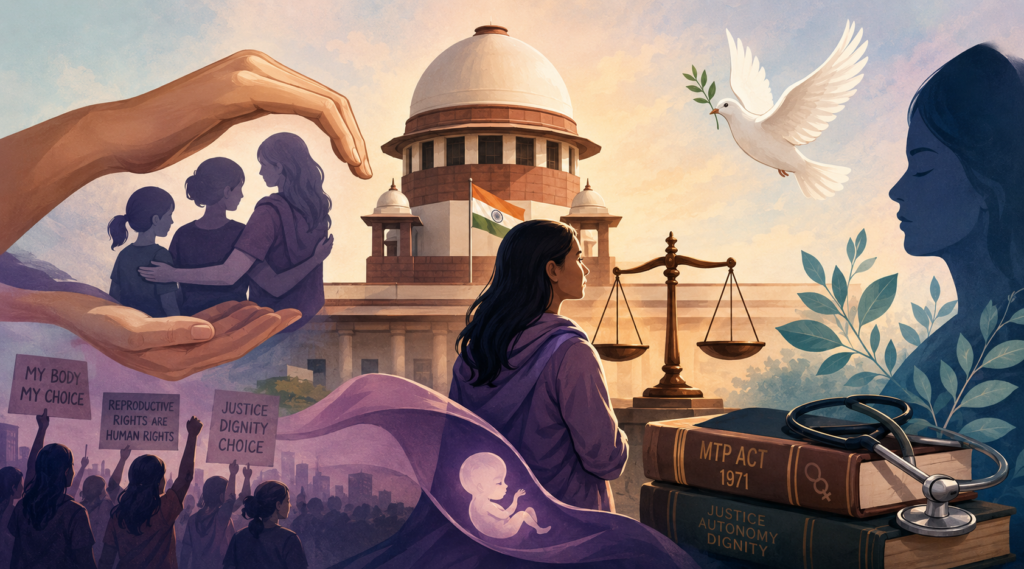
Access to justice stands at the heart of any constitutional democracy. Courts, laws, and rights mean little if people cannot actually use them. In India, the Constitution promises equality before law and effective remedies. Yet, the reality remains uneven. The question persists. Who still gets left out of access to justice in India, and why does this gap continue?
What Access to Justice Really Means?
Access to justice goes beyond court buildings and legal texts. It includes awareness of rights, affordability of legal help, timely resolution, and fair treatment. A person must know their rights, reach a forum, present a case, and receive an effective remedy. When any link breaks, justice becomes theoretical. Many Indians face such breaks at multiple stages.
Economic Barriers and Legal Costs
Cost remains one of the biggest barriers. Legal fees, travel expenses, and time away from work discourage many from approaching courts. For daily wage earners, even a single hearing means lost income. Free legal aid exists, but awareness remains low and quality varies. As a result, justice often appears accessible only to those with financial stability.
Geographic and Institutional Gaps
Distance also restricts access. Rural populations often live far from courts and legal institutions. Infrastructure gaps slow proceedings and increase delays. Overburdened courts add to frustration. Long pendency weakens faith in the system. When cases stretch over years, justice loses its meaning for ordinary citizens.
Social Marginalisation and Power Imbalances
Caste, gender, disability, and social status still shape legal experiences. Marginalised groups face intimidation, bias, and procedural hurdles. Many hesitate to file complaints due to fear of retaliation. Women, migrants, and informal workers often lack documentation or institutional support. These realities limit access to justice in India despite formal equality.
Language and Legal Complexity
Law speaks a language many people do not understand. Legal procedures feel complex and intimidating. Court proceedings often rely on English or technical terminology. This distance discourages participation. Without clear communication, rights remain inaccessible even when remedies exist.
Efforts Made and Their Limitations
India has introduced legal aid clinics, Lok Adalats, and online platforms to bridge gaps. These initiatives help many, especially in minor disputes. Yet, they cannot replace systemic reform. Structural inequality, underfunded institutions, and limited outreach reduce long-term impact.
The Way Forward
Improving access requires multiple changes. Legal awareness must grow through education and community engagement. Courts need better infrastructure and staffing. Legal aid must become reliable and trusted. Technology should simplify processes without excluding those who lack digital access. Justice must meet people where they are.
Conclusion
Access to justice in India remains uneven despite constitutional promise. The law exists, but reach remains limited for many. Bridging this gap demands more than reform on paper. It requires sustained commitment to inclusion, clarity, and fairness. Justice succeeds only when everyone can truly claim it.